Cognitive Dissonance in Espionage: The Internal War of the Double Agent
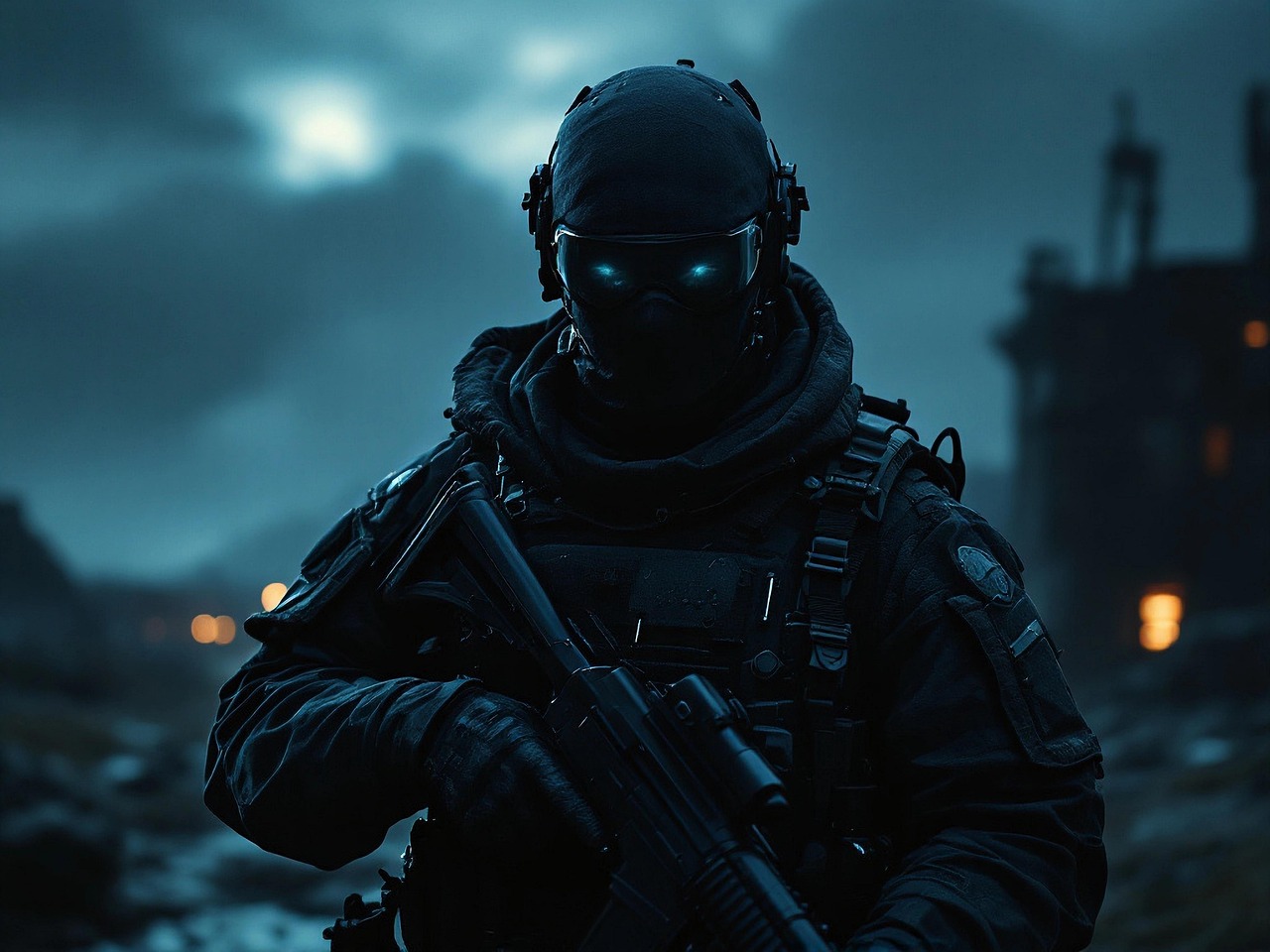
The Most Dangerous Weapon is Human Connection
In the high-stakes world of intelligence, the most lethal weapon is not a silenced pistol or a sophisticated decryption algorithm—it is human connection. However, this weapon is a double-edged sword.
To successfully infiltrate an enemy cell, a spy must not just mimic a lifestyle; they must inhabit it. They must build trust, share meals, and forge relationships that feel undeniably real.
This creates a profound psychological phenomenon known as Cognitive Dissonance—the mental discomfort experienced when a person holds two or more contradictory beliefs or identities simultaneously.
The Architect of the Lie: Inhabiting the Enemy
In the 2025 cinematic narrative Dhurandhar, this conflict is embodied through the character of Hamza Ali Mazari.
To the outside world, he is a rising force in the underworld. To his handlers, he is a strategic asset. But to the men he works with daily, he is something far more dangerous—a trusted brother.
As years pass in deep cover, the boundary between identity and performance begins to dissolve. The "mask" no longer feels artificial—it becomes indistinguishable from reality.
The Three Pillars of Navigating the Dissonance
How do operatives survive the psychological strain of bonding with those they are destined to betray?
1. Compartmentalization (The Mental Firewall)
Spies divide their minds into separate domains—one loyal to their nation, the other loyal to their cover identity. These compartments remain isolated, preventing emotional collapse.
2. The "Higher Purpose" Narrative
To justify betrayal, operatives rely on moral frameworks. The sacrifice of a personal bond is rationalized as necessary for protecting millions.
The concept of the "greater good" becomes the psychological anchor that keeps the agent functional.
3. Humanizing the Individual, Rejecting the System
Some agents resolve dissonance by separating the person from the ideology. They may genuinely care for individuals while remaining committed to dismantling the larger system those individuals serve.
• Divide identity into controlled compartments
• Justify actions through national duty
• Separate emotional bonds from strategic objectives
The Breaking Point: The Defining Moment
The tragedy of the double agent lies in the inevitability of collapse. The mission’s success often demands the destruction of the very relationships that sustained it.
At the climax, the agent is forced into a singular, irreversible decision—choosing between identity and attachment.
The War Within
As modern warfare evolves into psychological and hybrid domains, the role of the human mind becomes more critical than ever.
Espionage is no longer just about intelligence gathering—it is about navigating emotional complexity under extreme pressure.
The battlefield is no longer only physical. It exists within the quiet, unseen corridors of thought, where every decision carries irreversible consequences.


