Clash of Civilizations: Prophecy or Problem? Will Huntington Define the Future of War?
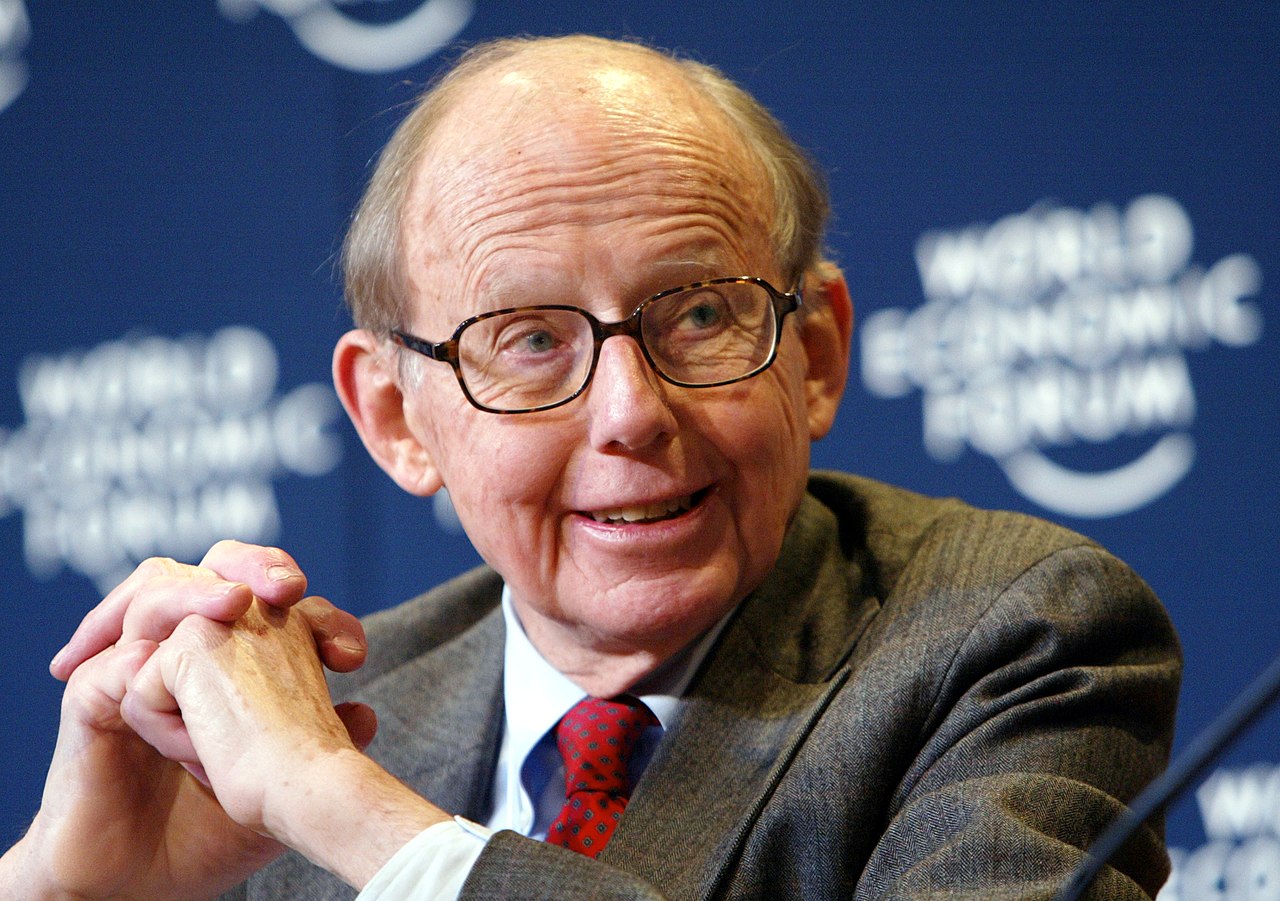
What if the next world war isn’t about territory, oil, or ideology—but about identity?
In 1993, political scientist Samuel P. Huntington proposed a theory that continues to shape global discourse even today: the Clash of Civilizations.
The Core Idea
Huntington divided the world into major civilizations—Western, Islamic, Hindu, Sinic (Chinese), Orthodox, and others.
He argued that cultural identity, not political ideology, would become the primary source of conflict in the post-Cold War world.
• Ideological wars are over
• Economic rivalries are secondary
• Cultural and civilizational differences will dominate global conflicts
Why This Theory Still Matters
Decades later, many global tensions seem to echo Huntington’s prediction.
Conflicts are increasingly framed not just in strategic terms, but in cultural and religious narratives.
The Supporting Evidence
Several global developments appear to align with the theory:
- Rising Nationalism: Nations emphasizing cultural identity over globalization
- Religious Conflicts: Tensions rooted in belief systems rather than borders
- Civilizational Alliances: Countries aligning based on shared cultural values
These trends suggest that Huntington’s framework may not have been entirely speculative.
The Criticism
However, the theory is far from universally accepted.
Critics argue that it oversimplifies the world and risks becoming a self-fulfilling prophecy.
- Overgeneralization: Civilizations are not monolithic
- Ignores Internal Conflicts: Many wars occur within the same civilization
- Dangerous Narrative: Can justify division and polarization
The 2026 Reality
Today’s world is more interconnected than ever—yet more divided.
Technology has brought cultures closer, but it has also amplified differences.
Social media, information warfare, and digital echo chambers are reinforcing identity-based divisions at an unprecedented scale.
The Bigger Question
Is Huntington describing reality—or shaping it?
Are civilizations truly destined to clash, or are we choosing conflict over cooperation?
Conclusion
Samuel Huntington’s theory remains one of the most debated ideas in modern geopolitics.
Whether it proves to be a prophecy or a warning depends not on theory—but on human choice.
Because in the end, civilizations don’t clash on their own—people make them clash.


