Timeless Wisdom or Outdated Philosophy? Is Sun Tzu’s Art of War Still the Ultimate Guide to Strategy?
What if the most powerful strategy book ever written wasn’t about war at all—but about winning without fighting?
More than 2,500 years ago, Sun Tzu wrote The Art of War—a text that continues to influence military leaders, business executives, and political strategists across the world.
The Core Philosophy
Unlike traditional war doctrines, Sun Tzu emphasized intelligence, deception, and adaptability over brute force.
His strategies were not about domination—but about control, efficiency, and psychological advantage.
• Know your enemy and know yourself
• Win without direct confrontation
• Use deception as a strategic tool
• Adapt to changing conditions
The Historical Impact
For centuries, military commanders have applied Sun Tzu’s teachings to achieve victory with minimal conflict.
His philosophy has extended beyond warfare—shaping diplomacy, corporate strategy, and even modern political campaigns.
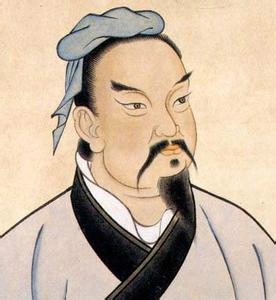
The 2026 Strategic Landscape
Today, the nature of conflict has transformed dramatically.
Wars are fought not just with weapons, but with data, influence, and economic pressure.
- Cyber Warfare: Battles fought in digital space
- Information Warfare: Controlling narratives and perception
- Economic Strategy: Sanctions and trade shaping outcomes
Why Sun Tzu Still Matters
Surprisingly, many of Sun Tzu’s principles align perfectly with modern strategies.
Winning without direct confrontation is now a central objective in global geopolitics.
The Limitations
However, critics argue that ancient strategies cannot fully address modern complexities.
- Technological Gap: New domains like AI and space warfare
- Global Interdependence: Actions affect entire systems
- Speed of Conflict: Decisions must be made instantly
The Bigger Question
Is Sun Tzu’s philosophy universal—or does it require adaptation for a modern world?
Can ancient wisdom guide decisions in an era defined by technology and globalization?
Conclusion
Sun Tzu’s Art of War is not just a historical text—it is a framework for thinking.
Its relevance lies not in its age, but in its adaptability.
Because in the end, strategy is not about fighting—it is about winning intelligently.


