War Without Battlefields? Would Carl von Clausewitz Redefine War in the Age of Cyber Conflict?
What if the next war is fought without soldiers, without borders—and without a single bullet fired?
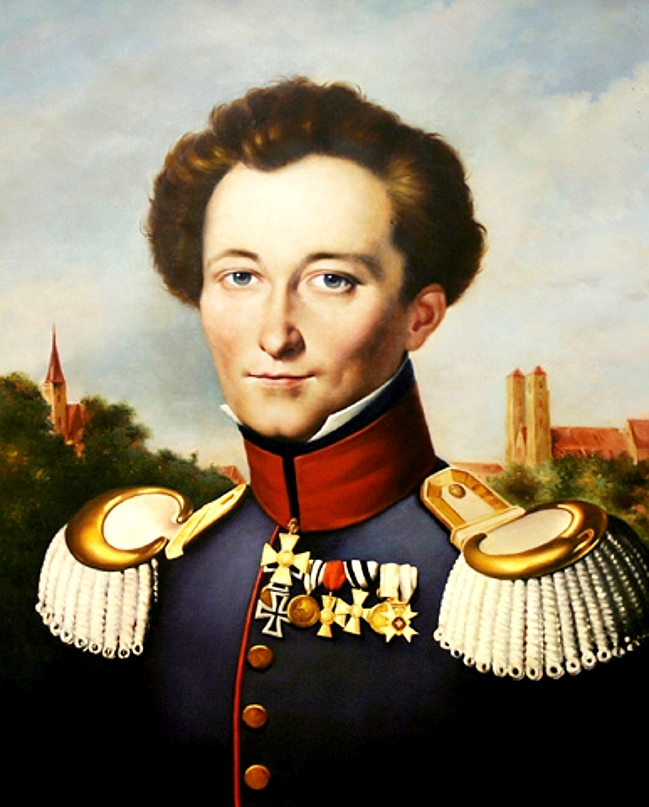
More than two centuries ago, Carl von Clausewitz defined war as “the continuation of politics by other means.” But in today’s era of cyber conflict, does this definition still hold?
The Core Theory of Clausewitz
Clausewitz’s philosophy was built on the idea that war is deeply political, shaped by human emotions, uncertainty, and strategic objectives.
He emphasized the “fog of war,” friction, and the unpredictable nature of conflict.
• War is a continuation of politics
• Uncertainty dominates decision-making
• Friction disrupts even the best plans
• Victory requires strategic clarity
The Historical Foundation
Clausewitz wrote in a time of conventional warfare—armies, battlefields, and territorial conquest.
His ideas shaped military doctrine for generations, influencing both world wars and modern strategic thinking.
The Rise of Cyber Warfare
Today, wars are no longer confined to physical spaces. Cyber attacks can cripple economies, disrupt governments, and influence populations—all without traditional combat.
- Cyber Attacks: Targeting infrastructure and data systems
- Information Warfare: Manipulating public opinion
- Digital Espionage: Stealing strategic intelligence
Would Clausewitz Adapt?
At its core, cyber warfare still aligns with Clausewitz’s central idea—war as a political tool.
However, the nature of conflict has evolved beyond physical violence.
The New “Fog of War”
Cyber warfare amplifies uncertainty. Attacks are often anonymous, attribution is difficult, and responses are delayed.
- Attribution Problem: Identifying the attacker is complex
- Speed of Conflict: Attacks happen in milliseconds
- Global Impact: Effects spread across borders instantly
The Critical Debate
Does cyber warfare redefine war—or simply expand Clausewitz’s theory into a new domain?
Some argue that his ideas remain timeless. Others believe that modern conflict requires entirely new frameworks.
Conclusion
Carl von Clausewitz may not have imagined cyber warfare—but his core insight remains powerful: war is always political.
What has changed is not the purpose of war—but the methods used to achieve it.
Because in the digital age, the battlefield is everywhere—and nowhere at the same time.


